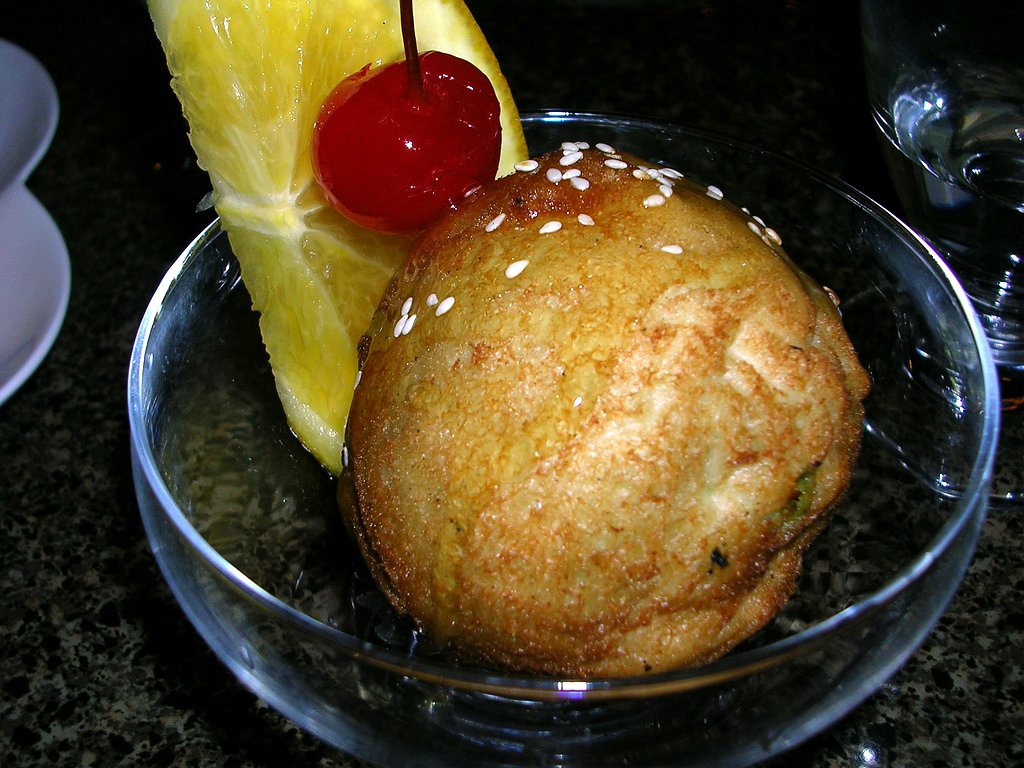
The Debated Origins of Fried Ice Cream: From Presidential Tables to Global Menus
Few desserts ignite the imagination quite like
fried ice cream. It's a culinary paradox: a scoop of creamy, frozen delight encased in a hot, crispy shell. This audacious fusion of searing heat and frosty chill creates an unforgettable textural and temperature sensation, making it a beloved novelty worldwide. Yet, for a dessert so distinct, its true origins remain shrouded in delightful mystery, sparking debates among culinary historians and enthusiasts alike. Was it a presidential indulgence, a fairground spectacle, or a cross-cultural culinary evolution? Let's delve into the intriguing journey of this hot-and-cold marvel.
The American Roots: From Presidential Palates to Culinary Innovations
The quest for the origins of
fried ice cream often leads back to the United States in the 19th century, a period ripe with culinary experimentation and a growing fascination with novel food experiences.
Thomas Jefferson's Pioneering Palate (Early 1800s)
One of the earliest and most intriguing claims links the concept of encased, warmed ice cream to none other than Thomas Jefferson. Historical accounts suggest that in 1802, the third U.S. President served ice cream balls enveloped in warm pastry at a dinner party. While not "deep-fried" in the modern sense, this event showcases an early exploration of combining hot and cold elements with ice cream, demonstrating an innovative spirit in American gastronomy. Jefferson, known for his adventurous tastes and detailed notes on food and agriculture, would certainly fit the profile of a culinary pioneer willing to push boundaries. This early reference highlights the longevity of the idea that insulating and heating ice cream could create a unique experience.
The Chicago World's Fair & Other Debated Claims (Late 1800s)
By the late 1800s, the idea of a hot-cold ice cream dessert began to circulate more widely. The 1893 Chicago World's Fair is frequently cited as a place where fried ice cream gained popularity, alongside other innovations like the ice cream cone. While a compelling narrative, contemporary confirmation for this specific origin remains elusive. It's more likely that the Fair, a hub of technological and culinary display, showcased various novelties, perhaps inspiring or popularizing existing experimental dishes.
The concept of a hot-cold dessert was also explored in dishes like the Baked Alaska, which gained prominence in 1867 at Delmonico's restaurant in New York City. Created by French chef Charles Ranhofer to commemorate the U.S. purchase of Alaska, this dessert features ice cream encased in meringue and briefly broiled. Baked Alaska elegantly demonstrated the principle that an insulating layer could protect ice cream from heat, a foundational idea that deep-fried ice cream would later adapt with different materials and cooking methods. These precursors indicate a broader culinary trend of manipulating temperature contrasts in desserts, paving the way for the deep-fried version.
The Culinary Alchemy: How Fried Ice Cream Defies Melting
At its heart,
fried ice cream is a triumph of culinary physics. The magic lies in a meticulously executed process that allows a perfectly frozen core to remain intact while its exterior crisps to golden perfection in hot oil.
The secret begins with the ice cream itself. It must be frozen solid – far beyond typical serving temperature, often for several hours or even overnight. This extreme cold provides a crucial thermal buffer. Once adequately chilled, scoops of ice cream are shaped into firm balls. These balls are then swiftly coated. A typical method involves dipping them in beaten egg whites for adhesion, followed by a generous rolling in a crunchy protective layer. This coating can vary widely, from finely crushed breadcrumbs or cornflakes to crushed cookies or even tempura batter, each contributing a unique flavor and texture profile. The firmness of the ice cream and the thoroughness of the coating are paramount; any gap or softness could lead to a catastrophic melt.
The coated ice cream balls are then often refrozen for a short period to ensure the coating adheres firmly and the core remains maximally chilled. The final, dramatic step is the deep-frying. The coated ice cream is plunged into very hot oil (typically between 350-375°F or 175-190°C) for mere seconds – usually just 10 to 20 seconds. This brief, high-heat exposure quickly cooks and crisps the outer layer without transferring significant heat to the interior. The coating acts as a shield, its low thermal conductivity preventing the heat from penetrating too deeply, too fast. The result is that iconic contrast: a piping hot, crunchy exterior that yields to a perfectly cold, smooth, and creamy interior. It's a testament to precision and understanding of thermal dynamics in the kitchen.
A Global Journey: From Mexican-American Menus to Asian Adaptations
While its origins may be American, the journey of
fried ice cream took an intriguing turn, embedding itself within various cultural cuisines across the globe.
Chi-Chi's and the Mexican-American Identity (1970s onwards)
Perhaps no single entity did more to popularize
fried ice cream in the United States than the restaurant chain Chi-Chi's. Starting in the 1970s, Chi-Chi's introduced a cinnamon-dusted version of the dessert on its menu, quickly making it a sensation. The dessert became synonymous with Mexican-American dining for many diners, leading to a widespread perception that it was an authentic Mexican dish. This, however, is a common misconception. While it has been enthusiastically adopted and adapted into Mexican-American cuisine, its roots are not traditionally Mexican. This phenomenon highlights how culinary dishes can transcend their original context, becoming deeply integrated and beloved within new cultural frameworks, often evolving with local flavors and presentations. The Chi-Chi's version, with its distinctive cinnamon and sometimes honey or chocolate toppings, became an iconic symbol of accessible "ethnic" dining for many Americans.
Asian-Inspired Variations: Tempura Ice Cream
Beyond its Mexican-American association,
fried ice cream has found a comfortable home in Asian-inspired contexts as well. Japanese tempura ice cream is a prime example, where a light, delicate tempura batter replaces heavier breadcrumbs or cereals. This version often emphasizes a crispier, almost airy shell that complements the rich ice cream within. Similarly, variations can be found in Chinese, Thai, and other Asian restaurants, often served with unique syrups, fruit, or even green tea flavors. This global adaptability underscores the dessert's universal appeal – the fundamental concept of hot and cold fusion is a compelling culinary experience that resonates across diverse palates and traditions.
Mastering the Art: Tips for the Perfect Fried Ice Cream
Achieving that perfect balance of crispy warmth and creamy chill requires attention to detail. Here are some actionable tips for making sensational
fried ice cream at home:
- Choose Your Ice Cream Wisely: Opt for a high-quality, full-cream ice cream. Its richer fat content helps it hold its shape and prevents it from melting too quickly. Avoid low-fat or airy varieties.
- Firmness is Key: Scoop your ice cream into firmly packed balls using a 1/2 cup or 125ml measuring cup for consistency. Place them on a parchment-lined baking sheet and freeze them *rock solid*, ideally overnight or for at least 4-6 hours. This is the single most critical step.
- Double the Coating, Double the Protection: For superior insulation and crunch, consider a double-coating method. After the first dip in egg wash and roll in breadcrumbs/cereal (commercial fine dry breadcrumbs work wonderfully, as do crushed cornflakes or even vanilla wafers), freeze the balls again for 30 minutes to an hour. Then, repeat the egg wash and crumb coating. This creates a thicker, more robust barrier.
- The "One Hand Wet, One Hand Dry" Technique: To keep your hands clean and prevent clumpy coatings, use one hand specifically for dipping in the wet egg mixture and the other for rolling in the dry crumbs.
- Blazing Hot Oil: Your oil must be very hot (350-375°F / 175-190°C) before frying. Use a candy thermometer to ensure accuracy. This ensures the coating crisps almost instantly, minimizing the time the ice cream is exposed to heat.
- Fry Quickly, Serve Immediately: Deep-fry one or two balls at a time to avoid overcrowding and dropping the oil temperature. Fry for only 10-20 seconds until golden brown. Once out of the fryer, serve them without delay!
- Toppings Galore: Elevate your fried ice cream with classic toppings like whipped cream, a drizzle of honey, chocolate syrup, cherry sauce, or a dusting of cinnamon sugar. A nip of Cointreau, as one Aussie-Chinese classic suggests, can also add a delightful twist to a salted butterscotch sauce.
In conclusion, the
fried ice cream is a captivating culinary enigma. From the tantalizing suggestion of Thomas Jefferson's early experiments to its debated appearance at the Chicago World's Fair, and its subsequent cultural adoption by restaurant chains like Chi-Chi's, its journey is a testament to human ingenuity and the universal appeal of playful contrasts. Whether enjoyed in a bustling diner, a festive fair, or an elegant ethnic restaurant, this audacious dessert continues to delight, proving that sometimes, the most surprising combinations create the most memorable experiences. Its enduring popularity isn't just about its delicious taste, but also about the intriguing story behind its hot-cold magic.