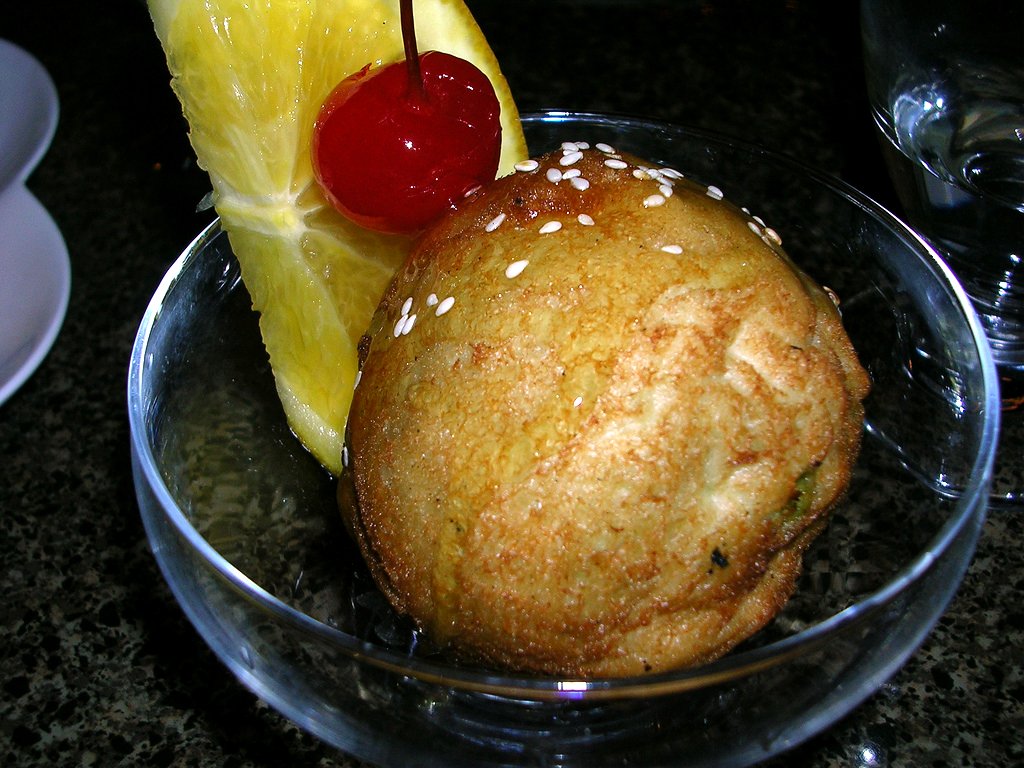
Fried Ice Cream: A Global Dessert Journey of Hot and Cold Fusion
Imagine a dessert that defies expectations, a culinary paradox that tantalizes the senses with opposing forces. This is the magic of fried ice cream, a dish where a crispy, warm exterior gives way to a surprisingly cold, creamy interior. It's an engineering marvel of the dessert world, a testament to culinary ingenuity that has captivated palates across continents, evolving from a curious novelty into a beloved global treat.
The allure of fried ice cream lies precisely in this dramatic textural and thermal contrast. The moment your spoon cracks through its golden, crunchy shell, you anticipate warmth, only to be met by a delightful chill. This sensory rollercoaster is what makes it an unforgettable experience, elevating a simple scoop of ice cream into an extraordinary indulgence.
The Culinary Mystery: Tracing Fried Ice Cream's Elusive Origins
The true birthplace of fried ice cream remains shrouded in culinary debate, with various claims tracing its conceptual foundations back to the 19th century. While no single definitive origin story exists, early American culinary scenes offer some fascinating precursors.
One of the earliest documented instances points to none other than Thomas Jefferson, who, as historical accounts suggest, reportedly served ice cream balls encased in warm pastry at a dinner party in 1802. This innovative approach highlighted an early American interest in combining hot and cold elements in desserts. Later in the 19th century, some narratives suggest fried ice cream gained traction at grand events like the 1893 Chicago World's Fair, though contemporary confirmation of this particular claim is scarce. For a deeper dive into these historical claims and fascinating debates, be sure to explore The Debated Origins of Fried Ice Cream: From Jefferson to Chi-Chi's.
Conceptually, fried ice cream shares an ancestral link with desserts like the Baked Alaska. Popularized in 1867 by French chef Charles Ranhofer at New York City's Delmonico's restaurant, Baked Alaska features ice cream enrobed in a meringue and briefly broiled. This technique, celebrating the U.S. purchase of Alaska, demonstrated the feasibility of protecting ice cream from heat, paving the way for the ingenious frying method.
Mastering the Art: Crafting the Perfect Fried Ice Cream at Home
Achieving the perfect balance of hot and cold in fried ice cream is a delicate dance between extreme temperatures and precise timing. But with the right techniques, you can recreate this dessert marvel in your own kitchen. The secret lies in three fundamental principles:
- Super-Frozen Ice Cream: This is non-negotiable. Your ice cream balls must be absolutely rock solid to withstand the heat of the oil. Using a full-cream variety with good density will yield the best results. We recommend scooping generous portions, shaping them firmly into balls (a 125ml measuring cup can be a great guide), and freezing them for several hours—ideally overnight—before coating.
- A Resilient, Firm Coating: The coating acts as the crucial insulating layer. It needs to be robust and firmly packed. Common choices include fine dry breadcrumbs, crushed cornflakes, cookies, or even a light tempura batter. A classic method involves a double-coating process:
- Roll the frozen ice cream ball in beaten egg white (or a light egg wash) to help the coating adhere.
- Immediately transfer it to your chosen coating, pressing firmly to ensure complete coverage.
- For an extra layer of protection, re-dip in egg and roll in crumbs again. This creates a thicker, more reliable shell.
- A helpful tip for coating is to use one hand for dipping in the wet ingredients and the other for rolling in the dry. This keeps your hands cleaner and the process more efficient.
- Very Hot Oil, Very Fast Fry: Speed is of the essence. The oil needs to be heated to a high temperature, typically between 350-375°F (175-190°C). Use a neutral oil with a high smoke point, such as canola, vegetable, or peanut oil. Once the oil is scorching hot, carefully submerge the ice cream ball. The frying time is mere seconds—usually 10 to 20 seconds is sufficient to achieve a beautiful golden-brown, crispy crust without melting the interior. A wire mesh spider or slotted spoon is ideal for safely handling the balls.
For more detailed step-by-step instructions and insider tips to ensure your fried ice cream is crispy warm and creamy cold every time, check out our guide on How to Make Perfect Fried Ice Cream: Crispy Warm, Creamy Cold.
A World of Flavors: Global Adaptations and Cultural Impact
Despite its debated American origins, fried ice cream journeyed far beyond its initial novelty, embedding itself into various culinary traditions worldwide. Its adaptability across cultures highlights its playful fusion of hot and cold elements.
In the United States, fried ice cream became strongly associated with Mexican-American cuisine, particularly after the 1970s. The popular restaurant chain Chi-Chi's played a pivotal role in this, featuring a cinnamon-dusted version on its menu. This widespread popularity led many diners to perceive it as an authentic Mexican dish, despite its non-traditional roots within Mexican culinary heritage.
Variations also emerged in Asian-inspired contexts. Japanese tempura ice cream is a prime example, where a light, airy tempura batter is used to encase the ice cream, resulting in a delicate crispiness that is distinctly different from a breadcrumb coating. This highlights the dessert's versatility and how different cultures have embraced and adapted the core concept to suit their own flavor profiles and textural preferences.
Today, fried ice cream remains a beloved and often celebrated item in diners, fairgrounds, and a diverse range of ethnic restaurants globally, symbolizing culinary ingenuity and the universal appeal of surprising contrasts.
Beyond the Basics: Serving Suggestions and Creative Twists
While the intrinsic hot-cold fusion of fried ice cream is a delight in itself, the right accompaniments can elevate it to an even higher plane of indulgence. The classic presentation often includes a generous dollop of whipped cream, a drizzle of golden honey, and a scattering of bright red cherries, creating a visually appealing and supremely satisfying treat.
However, the possibilities for customization are endless:
- Sauces: Beyond classic chocolate or caramel, consider a rich salted butterscotch sauce for a sophisticated touch. Fruit compotes—like berry, mango, or peach—offer a fresh, tangy counterpoint to the sweetness.
- Spices: A dusting of cinnamon sugar, as popularized by Chi-Chi's, is a simple yet effective enhancement. Nutmeg or a hint of cardamom could also add an exotic twist.
- Nuts and Grains: Toasted almonds, pecans, or walnuts add another layer of crunch and nutty flavor. For a truly decadent finish, a sprinkle of toasted coconut flakes or even a drizzle of a premium liqueur like Cointreau (which also pairs beautifully in a butterscotch sauce) can be transformative.
- Garnishes: Fresh mint leaves, chocolate shavings, or edible flowers can turn a simple dessert into a showstopper.
The beauty of fried ice cream lies not just in its ingenious preparation but also in its boundless potential for personalization. Whether you prefer a simple, classic rendition or a gourmet creation with multiple layers of flavor, it offers a canvas for culinary creativity.
A Timeless Treat
From its contested origins in 19th-century America to its widespread global embrace, fried ice cream stands as a testament to the enduring appeal of culinary innovation. It’s a dessert that challenges perceptions, delivering an exhilarating experience of contrasting temperatures and textures. Whether enjoyed as a nostalgic nod to classic American-Chinese restaurants, a staple of Mexican-American menus, or a delicate Japanese tempura creation, the magic of a crispy, warm shell yielding to a cool, creamy core continues to captivate and delight dessert lovers everywhere. It's more than just ice cream; it's a global journey of sensory fusion, proving that sometimes, the most unexpected combinations create the most unforgettable treats.
